- Normally $4.80 each, Kennards Archive Boxes are now just $3.40 each when you buy 10 or more. This special offer runs until 31 July 2026, giving businesses an affordable way to create a more organised, efficient and clutter-free workspace.
- Following a structured end of financial year checklist makes it easier to review, sort, label and archive important records such as invoices, receipts, payroll documents and contracts before the new financial year begins.
- Using archive boxes and storage boxes for files provides a simple, affordable way to store completed records, keep documents accessible for future reference and create a repeatable EOFY archiving process that saves time year after year.
For many businesses, the end of financial year (EOFY) is viewed purely as an accounting deadline. Tax obligations, financial reporting and reconciliations often take centre stage, while physical paperwork continues to pile up in desks, filing cabinets and storage areas.
Throughout the year, businesses accumulate invoices, receipts, tax records, contracts, payroll documents, supplier files and client records. Without a clear system, these documents can quickly create clutter and make it harder to locate important information when it's needed.
Rather than treating EOFY as only a financial milestone, businesses can use it as an opportunity for a complete workplace reset. Closing off FY25/26 provides the perfect time to review records, archive completed files and prepare systems for FY26/27.
A practical end of financial year checklist can help businesses reduce clutter, protect important records and start the new financial year with an organised filing system that is easier to manage.
Why EOFY Is the Best Time to Reset Your Files
EOFY is one of the few times each year when businesses naturally review, sort and finalise their financial records. Because paperwork is already being examined for accounting and reporting purposes, it makes sense to extend the process to broader document organisation.
This period provides an ideal opportunity to separate completed FY25/26 records from active FY26/27 documents. Office managers, finance teams, sole traders and small business owners can use this time to remove older files from high-use work areas and create space for the year ahead.
Instead of allowing last year's paperwork to continue occupying desks, cupboards and filing cabinets, businesses can implement an organised archiving system using archive boxes and storage boxes for files. Incorporating this step into an end of financial year checklist helps create a cleaner workspace while making important records easier to manage.
Your End of Financial Year Checklist
A structured EOFY filing process helps ensure important records are properly organised before the new financial year begins.
EOFY Checklist:
- Review active and completed files
- Separate FY25/26 documents from current files
- Sort paperwork by category, including invoices, receipts, contracts, payroll and suppliers
- Confirm which documents need to be retained for accounting, tax or compliance purposes
- Digitise records where appropriate
- Shred or recycle documents that no longer need to be kept
- Label files clearly by financial year and category
- Pack completed records into archive boxes
- Move archived paperwork out of high-use work areas
- Set up new folders or filing systems for FY26/27
The goal is not simply a one-off clean-up. By following the same process each year, businesses can create a repeatable EOFY routine that keeps records organised and manageable.
What to Archive Before FY26/27 Begins
Before starting the new financial year, businesses should identify completed records that no longer need to remain in active filing areas.
Documents commonly archived include:
- Invoices
- Receipts
- Supplier records
- Payroll paperwork
- Tax records
- Contracts
- Client files
- Insurance documents
- Project files
- Historical reports
- Operational paperwork
- Completed campaign records
- Finished job documentation
Before disposing of any financial, employee or legal records, businesses should consult their accountant, bookkeeper or the relevant authority to confirm document retention requirements.
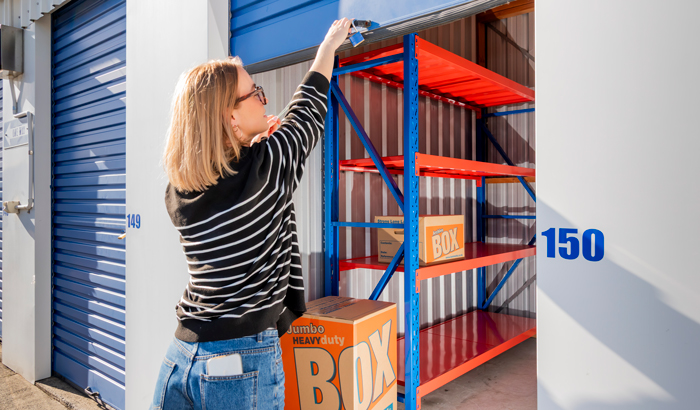
How Archive Boxes Help You Close Off FY25/26
Archive boxes provide a simple and practical way to move completed financial year records out of daily workspaces while keeping them organised and accessible.
Benefits include:
- Keeping documents grouped by financial year
- Making records easier to retrieve when required
- Reducing clutter in desks, cupboards and filing cabinets
- Allowing records to be stacked neatly and efficiently
- Helping teams separate archived files from active documents
- Making annual EOFY clean-ups easier to repeat
Compared with random cartons or mixed storage containers, archive boxes offer a more consistent solution for managing business records. They are easier to label, stack and organise, creating a structured archiving system that can be repeated every year.
Whether referred to as file storage boxes, document storage boxes or archive storage boxes, purpose-built archiving products help businesses maintain better control over important records.
Choosing Storage Boxes for Files
When selecting
storage solutions for business records, it is important to choose products designed for long-term organisation.
Look for:
- Durable construction
- Easy-to-label surfaces
- Suitable sizing for paper records and folders
- Stackable designs
- Comfortable handling and movement
- Consistent dimensions for yearly archiving
- Secure lids to help keep documents contained
Using consistent storage boxes for files each year helps streamline the EOFY process. When every financial year follows the same filing and storage system, archiving becomes faster, simpler and more reliable.
Common EOFY Archiving Mistakes to Avoid
Even with good intentions, businesses often make avoidable mistakes when archiving records.
Common issues include:
- Using too few boxes
- Mixing multiple financial years together
- Failing to label boxes clearly
- Keeping unnecessary paperwork
- Disposing of records without checking retention requirements
- Overfilling boxes until they become difficult to lift
- Using weak or damaged boxes for important documents
- Neglecting to establish the new year's filing system
These mistakes can result in unnecessary costs later through wasted time, lost records and repeated sorting efforts.

Set Up FY26/27 Before the Paperwork Builds Up
The best time to prepare for the new financial year is immediately after archiving the previous one.
Practical steps include:
- Creating FY26/27 folders or boxes
- Establishing monthly document review habits
- Keeping active files separate from archived records
- Creating a dedicated incoming paperwork area
- Using consistent labels across departments and categories
- Storing rarely used documents away from daily work zones
The greatest benefit comes from treating EOFY as both a closing and opening process, archiving the old year while simultaneously preparing for the new one.
A Simple EOFY Reset System
Businesses can simplify EOFY archiving by following a straightforward four-step framework.
Sort
Group documents by financial year, category and importance.
Decide
Determine whether records should be kept, digitised, shredded, recycled or archived.
Box
Pack completed FY25/26 documents into clearly labelled archive boxes.
Store
Move archived records to a secure and organised storage location.
Following this process each year creates a repeatable system that keeps paperwork manageable and prevents unnecessary accumulation.
Conclusion
EOFY is more than an accounting deadline—it is an opportunity to reset your filing system and start the new financial year organised.
Using a structured end of financial year checklist helps businesses sort, label, archive and store FY25/26 records efficiently while preparing for FY26/27. By incorporating archive boxes and practical storage solutions into the process, businesses can reduce clutter, improve record management and establish a repeatable annual routine.
Shop EOFY Storage Solutions
EOFY is the perfect time to sort, store and organise your business records.
Kennards Archive Boxes are currently on sale, making it even easier to archive important paperwork and prepare for the year ahead.
Normally $4.80 each,
Kennards Archive Boxes are now just $3.40 each when you buy 10 or more. This special offer runs until 31 July 2026, giving businesses an affordable way to create a more organised, efficient and clutter-free workspace.
Frequently Asked Questions
Q. What documents should I archive at the end of the financial year?
A. At the end of the financial year, businesses should archive all completed records that are no longer required for daily use. This typically includes invoices, receipts, supplier records, payroll documents, tax files, contracts, client records, insurance documents, project files and completed operational paperwork. Before archiving or disposing of any records, it is important to confirm document retention requirements with an accountant, bookkeeper or relevant authority to ensure compliance.
Q. Are archive boxes useful for EOFY paperwork?
A. Yes, archive boxes are one of the most practical solutions for managing EOFY paperwork. They help keep documents grouped by financial year, making it easier to organise, store and retrieve records when needed. Archive boxes also reduce clutter in office spaces, allow for neat stacking, and make it simple to separate active files from completed financial year records. They are a cost-effective way to create a structured and repeatable EOFY filing system.
Q. What are the best storage boxes for files?
A. The best storage boxes for files are durable, stackable and designed specifically for document storage. They should have a consistent size to accommodate folders and paperwork, as well as secure lids to keep documents protected. Easy-to-label surfaces are also important so files can be clearly identified by financial year or category. Using consistent storage boxes for files each year helps streamline EOFY organisation and makes future archiving much more efficient.
Q. How can I keep my office clutter-free after EOFY?
A. To keep your office clutter-free after EOFY, it is important to maintain a clear separation between active and archived documents. Set up a simple filing system for the new financial year, and store completed FY25/26 records in clearly labelled archive boxes placed in a designated storage area. Regular monthly document reviews can also help prevent paperwork from building up again. Using consistent storage boxes for files and maintaining a structured end of financial year checklist each year will make ongoing organisation much easier.



.jpg&w=1920&q=75)



.jpg&description=Archive FY25/26 and Start the New Financial Year Clutter-Free)


-700-x-410.jpg&w=3840&q=75)
